
Kitchen Styling Guide
How to Make a Kitchen Feel Collected, Not Decorated
A kitchen can be beautiful and still feel a little too finished — like everything was bought at once. A collected kitchen feels different: useful, natural, imperfect and personal.
5 min read
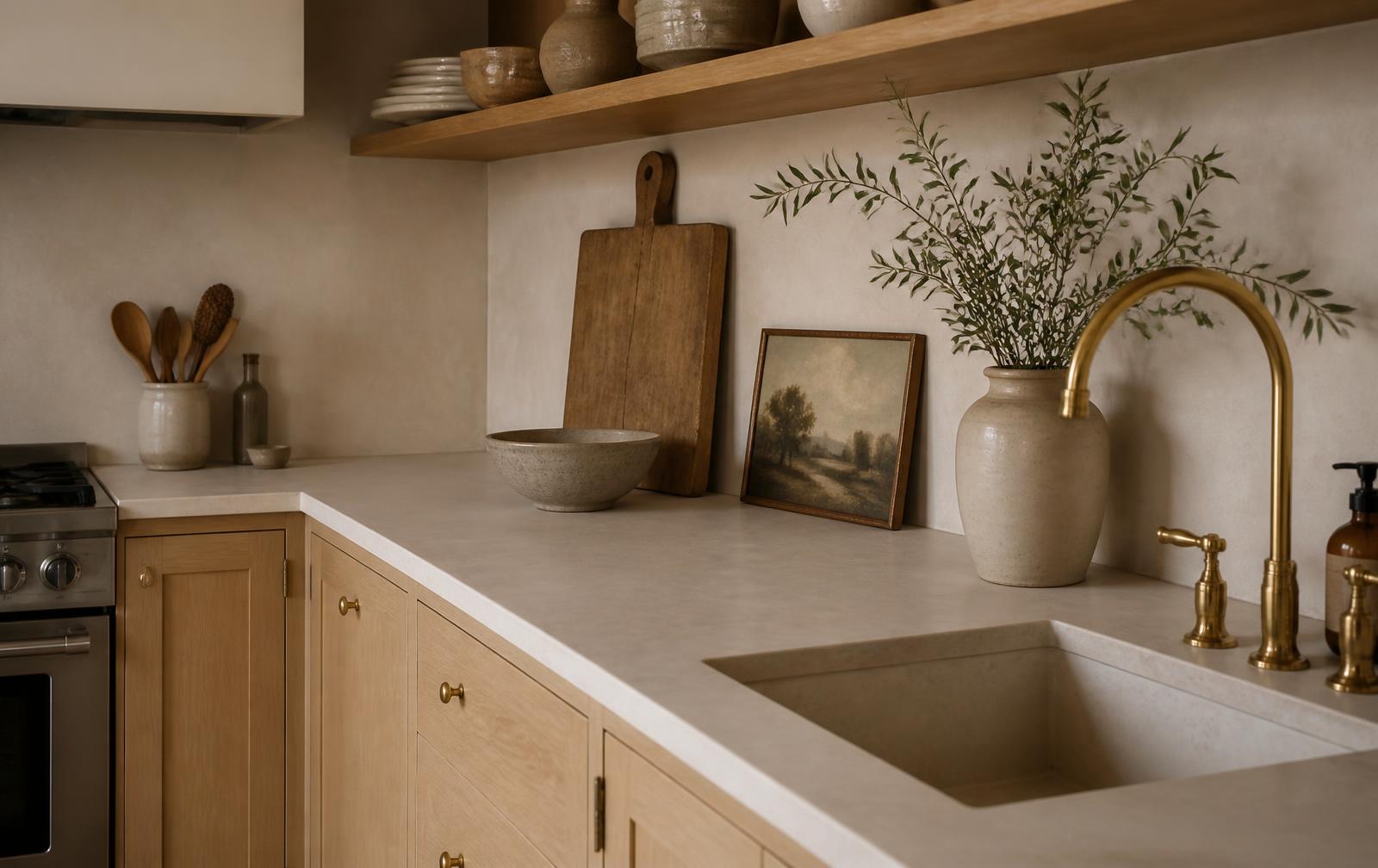
A kitchen can be beautiful and still feel a little too finished — like everything was bought at once.
A collected kitchen feels different. It has a mix of useful pieces, natural materials, small imperfections and objects that look like they belong there for a reason.
The goal is not to add more. It is to make what you already have feel more intentional.
Start With Useful Objects
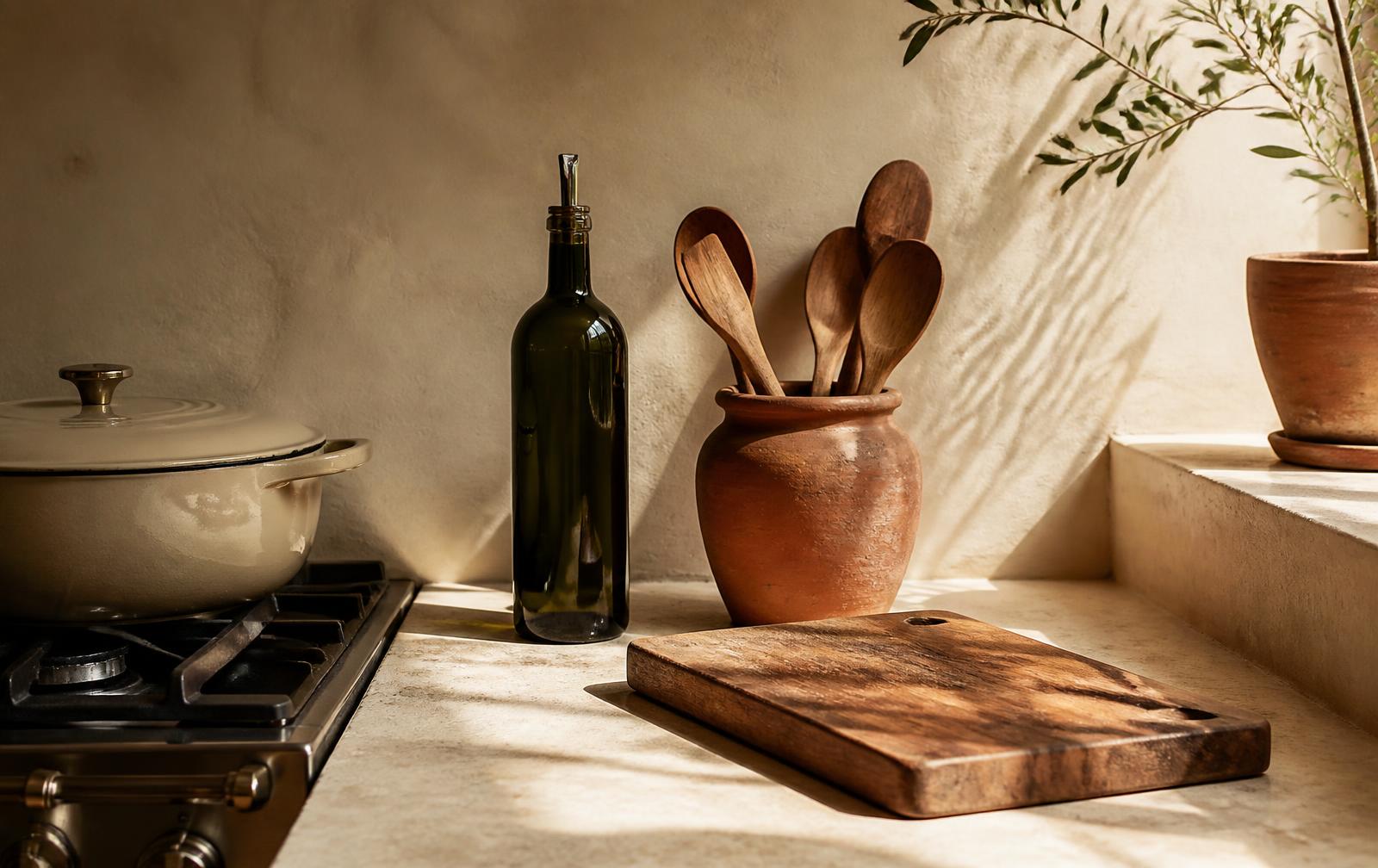
Some of the best kitchen styling is functional.
- Cutting boards
- Bowls
- Pitchers
- Jars
- Pepper mills
- Mugs
- Trays
A wooden board leaning against the backsplash or a ceramic bowl filled with fruit usually feels more natural than purely decorative objects.
Choose things you would realistically use.
Mix Materials
A room starts to feel flat when everything has the same finish.
Wood + stone + ceramic + glass + metal + linen
You do not need every material in the room.
Even three or four are enough to create depth.
A smooth stone counter feels warmer beside an irregular ceramic bowl. Clean cabinetry feels less formal with aged wood or woven texture nearby.
Don’t Match Everything
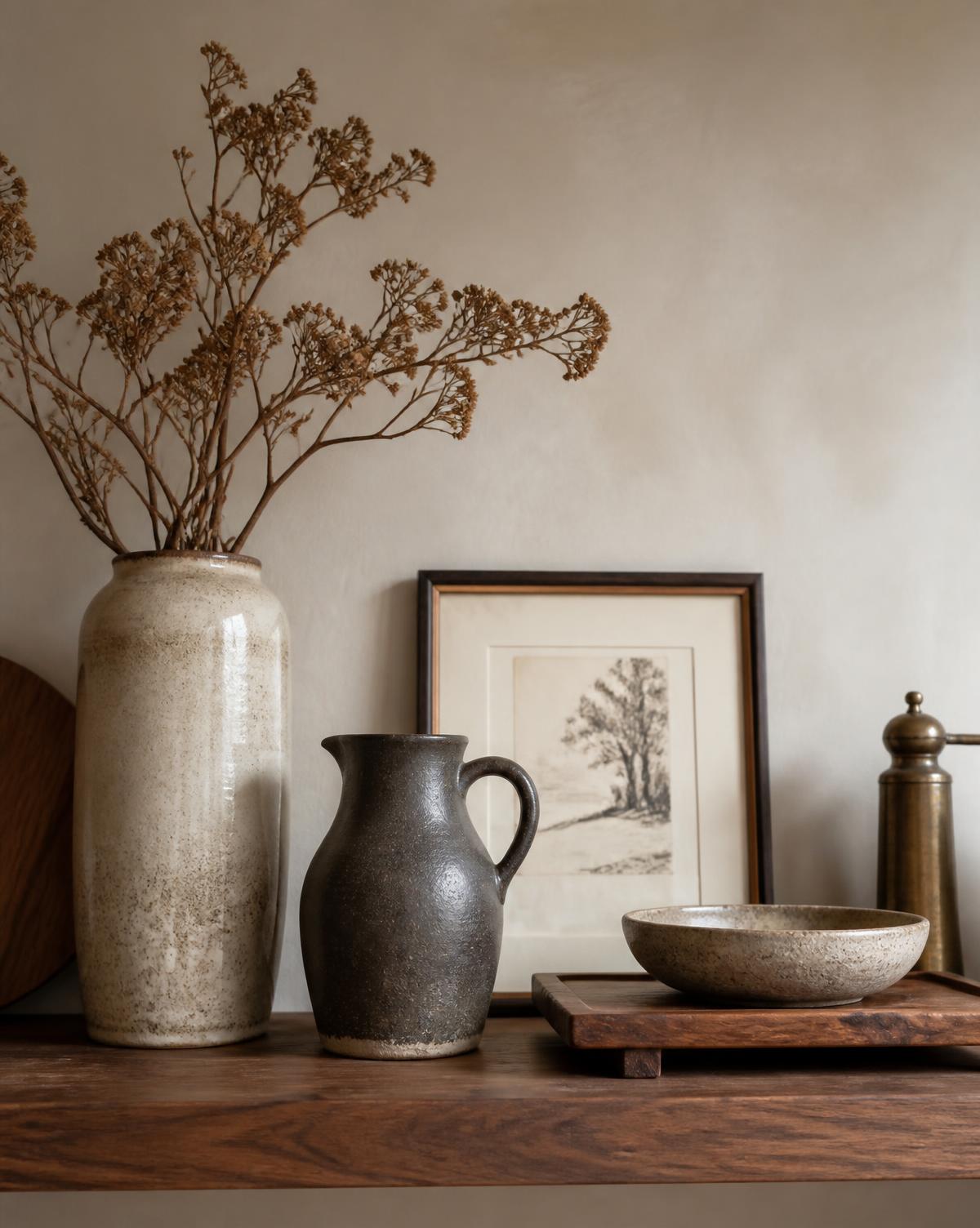
Matching every wood tone, metal finish and accessory can make a kitchen feel staged.
Small differences usually make it better.
Walnut cabinetry can work with lighter oak boards. A brass faucet does not require every metal object to be brass.
Aim for repetition, not perfect matching.
Style in Small Groups
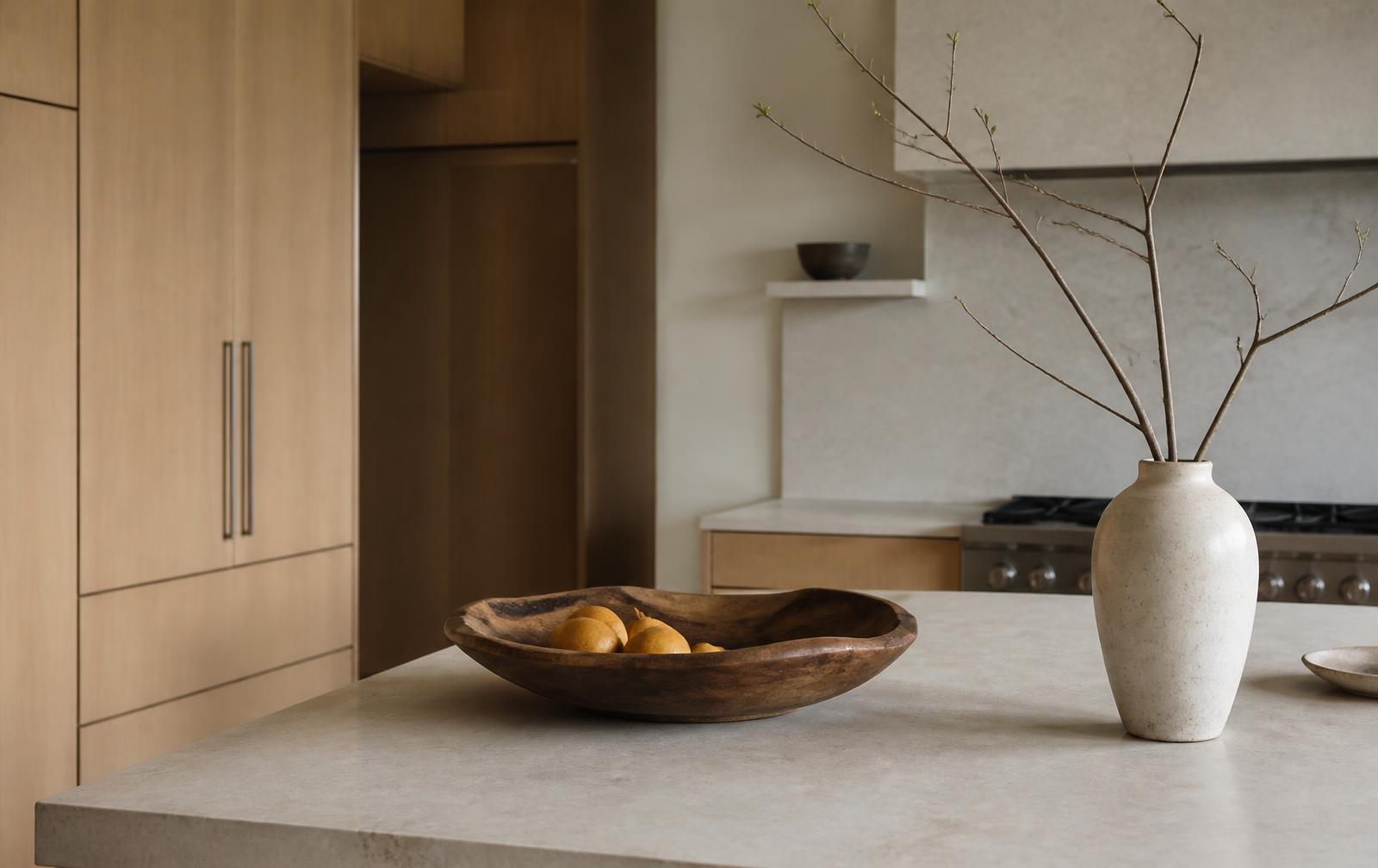
Instead of spreading decor across every surface, create one or two small groups.
A simple formula:
Something useful + something textured + something taller
For example:
Cutting board + ceramic bowl + leafy branch
Then leave some space around it.
Empty countertop makes the styled areas feel deliberate.
Add Something With Character
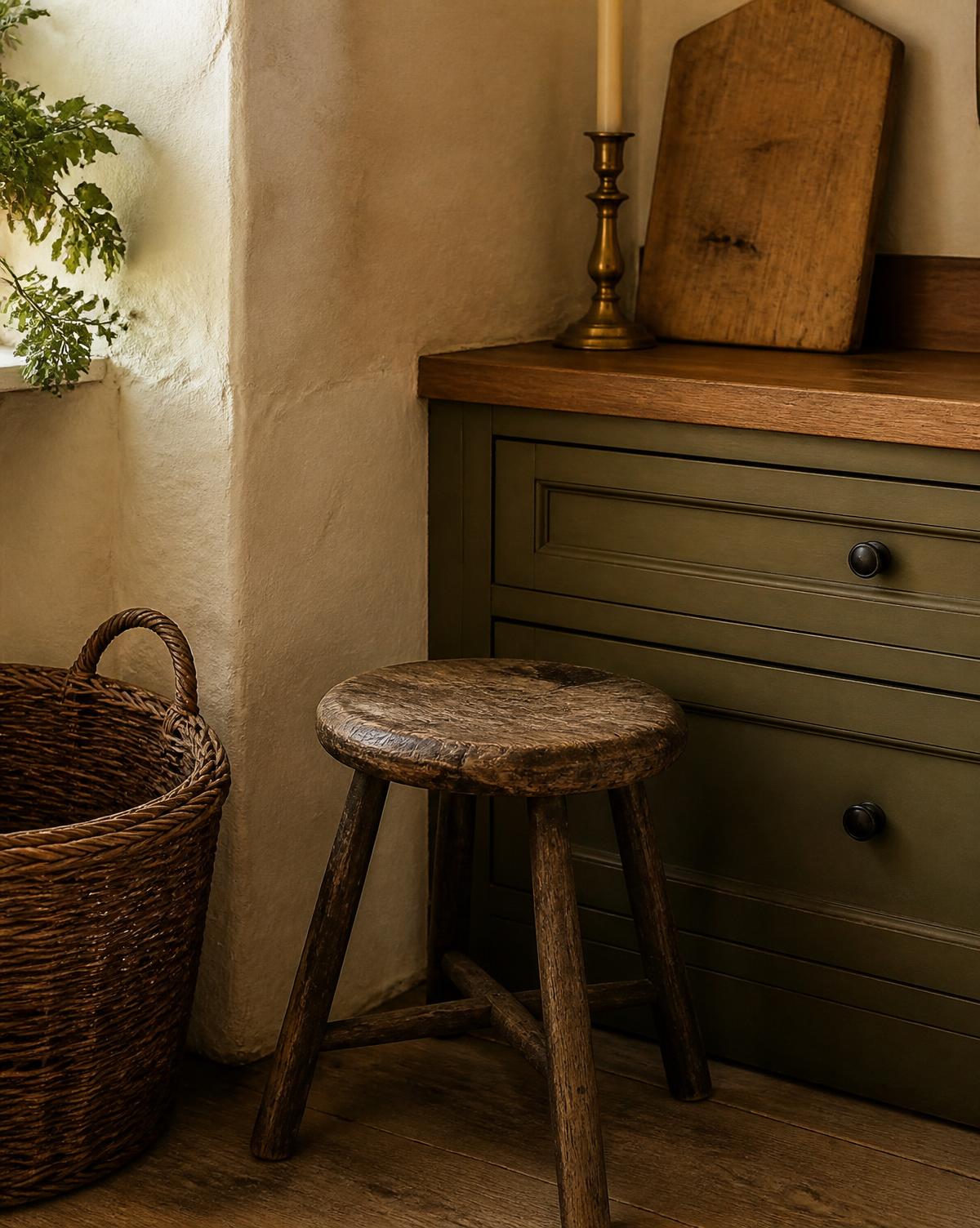
New kitchens often need one element that feels slightly older or less perfect.
- Handmade pottery
- An aged wooden board
- A vintage-style runner
- Textured glass
- Old-looking brass
- A small framed artwork
You do not need actual antiques.
The point is simply to break up the feeling that everything came from the same collection.
Don’t Forget Softness
Kitchens contain a lot of hard surfaces.
A little fabric can change the mood quickly:
- Linen towels
- Café curtains
- A runner
- Woven stools
- Cloth napkins
Use them sparingly.
One good textile is usually enough to make a room feel more relaxed.
A Useful Starting Point
The Collected Kitchen Formula
- Natural material
- Useful objects worth displaying
- One imperfect or aged piece
- Soft texture
- Varied shapes and heights
- Some empty space
You do not need to add everything at once.
That is actually the point.
A collected kitchen should feel as though it developed over time.
Before You Buy More Decor
Ask:
Does the room need another object — or does it need more contrast, texture or empty space?
Sometimes the best improvement is adding one strong bowl, lamp or board.
Sometimes it is removing five smaller things.
A kitchen feels collected when the objects support the room rather than compete for attention.
Shop the Details
Pieces With Purpose
Look for useful pieces in natural materials, with enough character to improve through use rather than simply filling the counter.
Explore Kitchen Decor →Continue Reading
7 min read
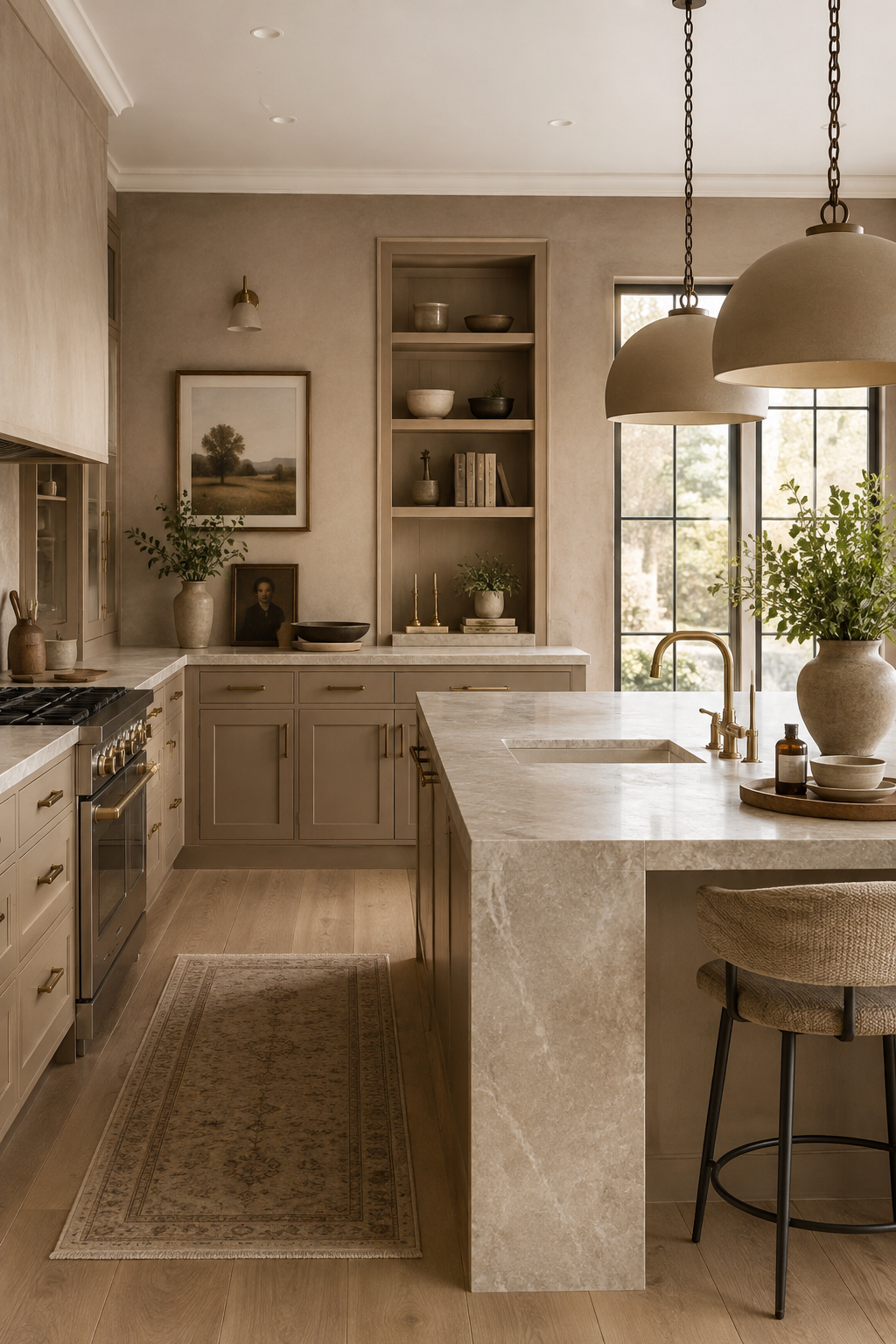
Why Your Kitchen Still Feels Unfinished — How to Make It Feel Collected
Why beautiful kitchens can still feel staged, and how useful objects, contrast, texture, lighting and personal details make a room feel collected.
Read the Guide →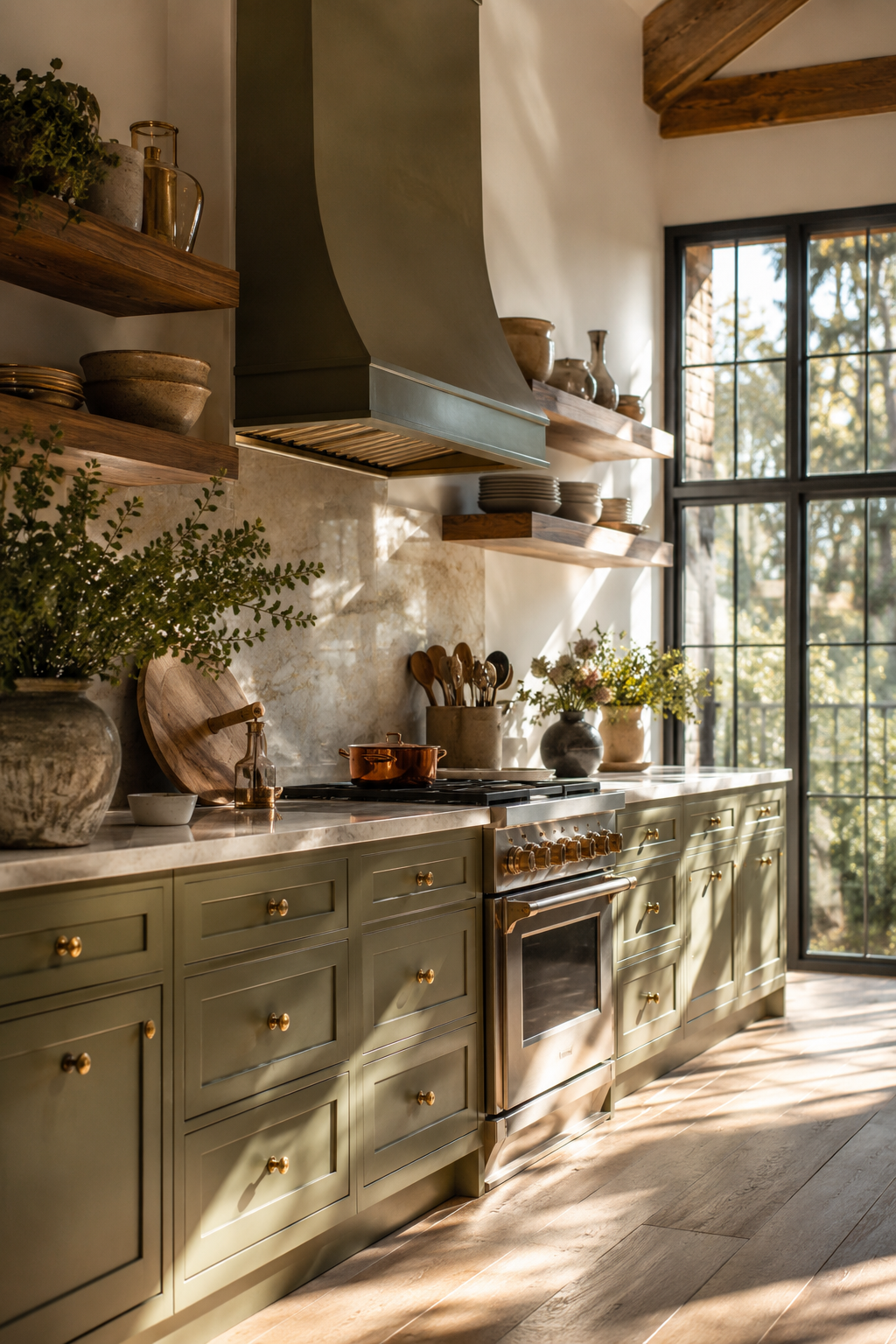
6 min read
When Olive Green Feels Too Heavy — How to Bring Back Light, Warmth & Balance
Olive green kitchens turn muddy when everything around them is dark and warm. How to bring back contrast without losing the richness of the green.
Read the Guide →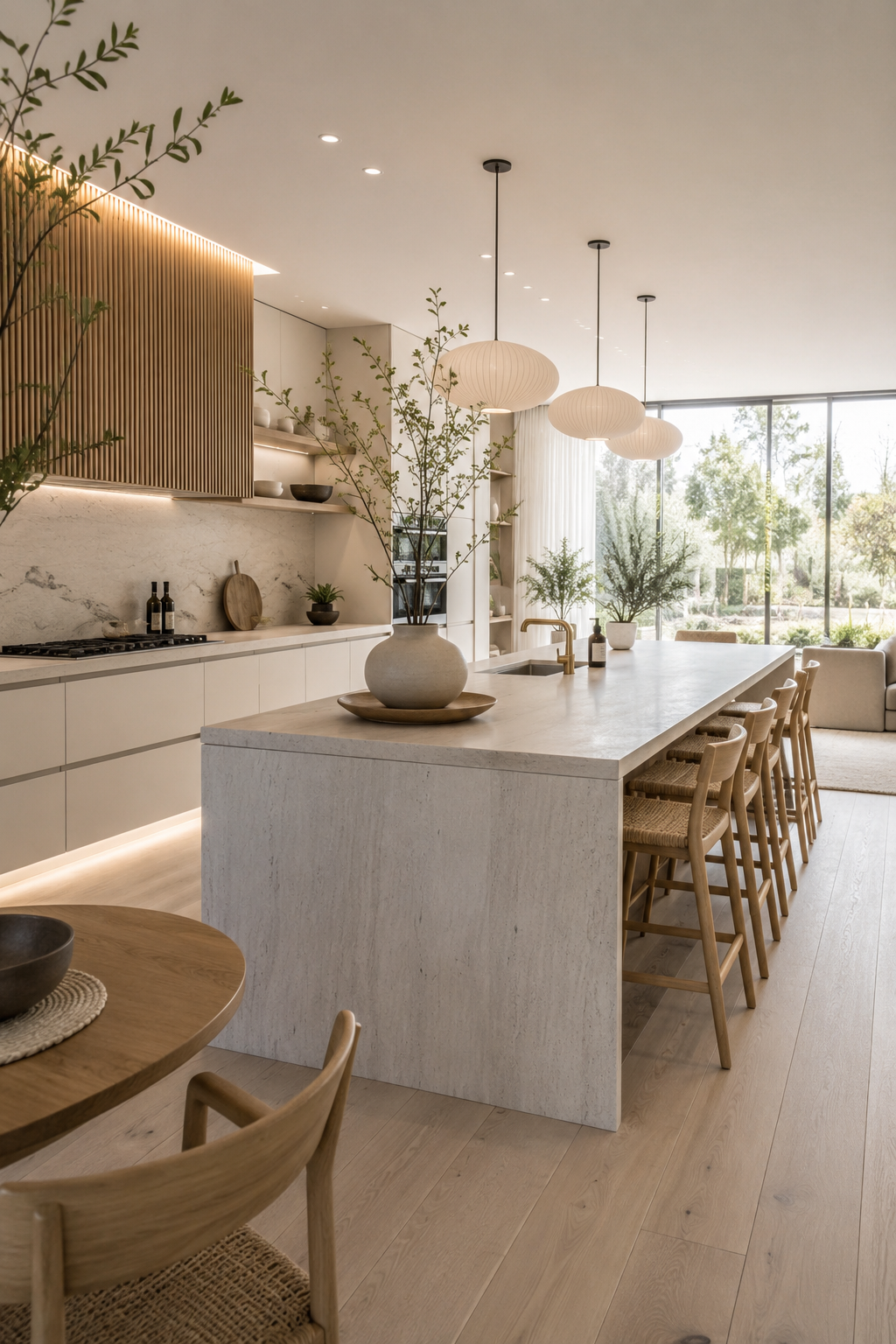
5 min read
The Japandi Kitchen Formula: 7 Details That Make It Feel Warm, Calm & Collected
Natural materials, warm neutrals, visible wood and restrained decor — the seven details that keep a Japandi kitchen calm rather than empty.
Read the Guide →